
Where History Meets Home
There’s something extrodinary about a home that has stood the test of time. The craftsmanship, the architecture, the storeis held within its walls — each detail connects us to the generations who came before.
At Homes With History, I believe these properties deserve thoughtful representation. Whether you’re hoping to own a piece of history or preparing to pass one on to its next chapter, understanding a home’s past is an important part of protecting it’s future.
The Historic Home Buyer’s Guide
Old- World Charm. Real-World Considerations.
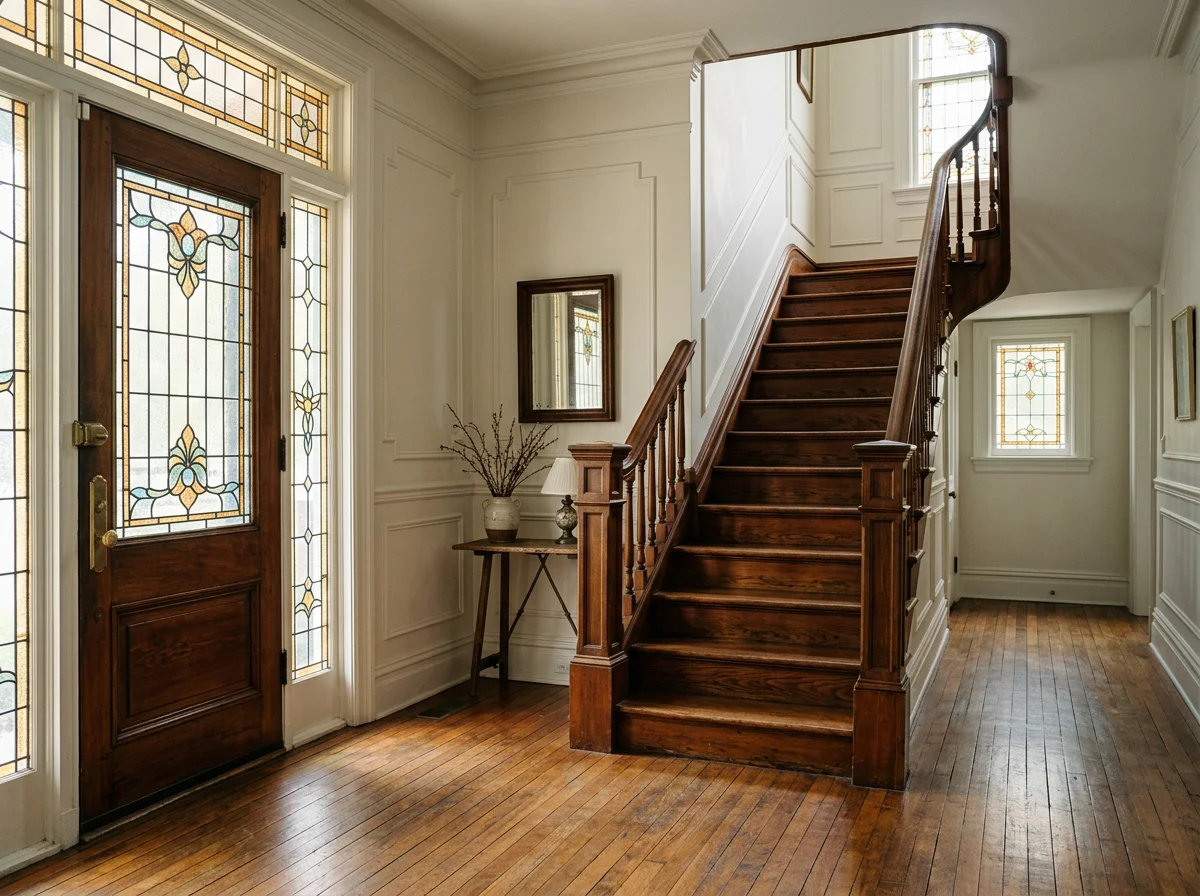
There’s something magical about original hardwood floors, intricate millwork, and architecture that has endured for generations. But purchasing an older home means looking beyond its charm to understand its condition, maintenance needs, and potential limitations.
What Every Historic Home Buyer Should Consider
Electrical & Plumbing
Older wiring, electrical panels, supply pipes, and sewer lines may need evaluation or updating. Knob and Tube or aluminum wiring were code when the home was built, but today both are seen as outdated. Lead, galvanized steel, cast iron and polybutylene pipes are commonly found in homes built before 1970.
Lead Paint & Asbestos
Once seen as ahead of its time, these older materials may contain substances that require special precautions and disposal procedures during repairs or renovations. Lead paint is often found on trim and in closets and can be identified by its tell-tale square cracking. Asbestos is usually identified on duct work, in ceiling tiles, insulation, drywall, plaster, floor tiles, shingles, and popcorn ceilings. While neither can be identified strictly by view, its essential to take necessary precautious and maintain heightened awareness when the warning signs are present.
Historic Designations
Local historic district rules and preservation easements may affect exterior changes and renovations. Often a homeowner must obtain permission to complete repairs or updates on the exterior of their home if the home is within a historical district.
Foundations & Moisture
Settlement, aging masonry, drainage concerns, and water intrusion deserve careful attention. Many historic homes are built on river stone (or field stone) foundations, often being pulled from a local river and brought to the property during the building process. These foundations rely on gravity, weight and friction as compared to modern concrete and steel rebar. While the foundations are strong and have stood the test of time, these foundations often run into water seepage due to their porous nature and design to work with the water instead of trapping it behind the wall which causes lateral pressure. Stone foundations also encounter bulging or shifting and require tuckpointing every 25-50 years. Its important to understand basements in historic homes were often used for elevated root storage, not additional living space. Be prepared to run a dehumidifer in the space and consider that the property may require a sump pump in the future.
Insurance & Financing
Certain property conditions can affect insurance eligibility, financing and renovation costs. It is often more expensive to insure a historic home due to framing styles, outdated electrical, specialized materials and labor, higher replacement costs and the need to bring essential systems up to code. Additionally, the home must meet minimum property standards for certain types of financing. Common issues with historic homes such as knob and tube wiring, peeling lead based paint, severe roof damage or foundation settling may be required to be repaired prior to the loan closing.
Maintenance & Restoration
Specialty materials, skilled tradespeople and ongoing upkeep should be considered when budgeting for a historic home.
Historic homes dont have to be perfect. They simply need to be understood before you make them your own.
The Historic Home Seller’s Guide
Selling Your Piece of History.
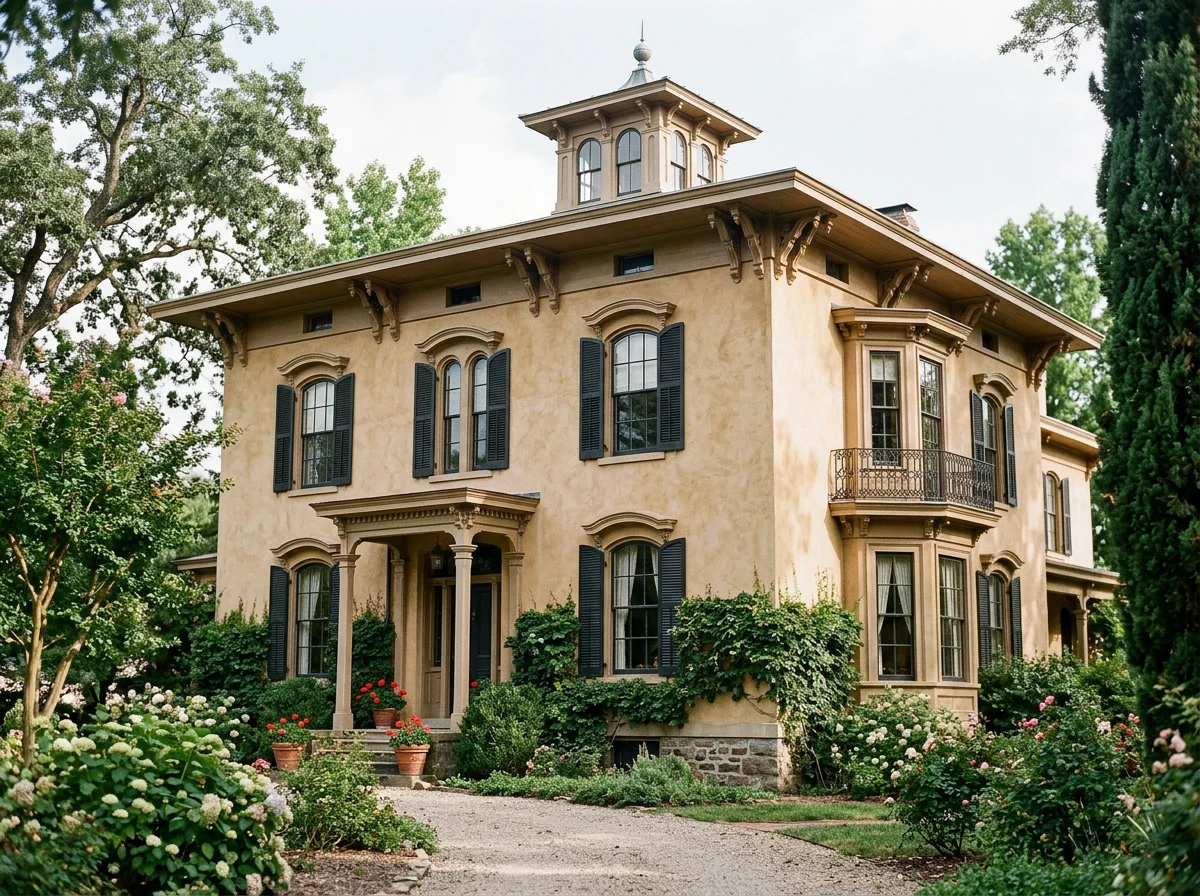
Selling a historic home requires balancing its character with the expectations of today's buyers. Thoughtful preparation, accurate information, and marketing that highlights its distinctive features can help buyers appreciate its value.
How to Prepare Your Historic House for Sale
Gather Property Records
Collect permits, repair invoices, renovation details, warranties, and available historical documentation and photographs if you have them. Buyers enjoy to know that a property was well loved and maintained. Historic home buyers specifically prefer to know the story of the property if you can provide it.
Know Your Disclosures
Review applicable Ohio disclosure requirements, including federal lead-based paint rules for pre-1978 constructed housing. Provide accurate information to buyers about everything you know about the property. All repairs you’ve completed, issues you are aware of and property conditions you have knowledge of.
Preserve the Character, Protect the Value
When preparing a historic home for sale, its important to recognize that newer doesn’t always mean better. Historic home buyers are often drawn to the very details that make an older property unique: hardwood floors, intricate woodwork, period doors, built-ins, and architectural features that simply aren’t found in modern construction. Over-renovating can be costly, and replacing original materials with trendy finishes may actually discourage the buyers most likely to appreciate your property. Focus investment in the following areas: Mechanics (HVAC, Water Heater, Plumbing, Electrical, Roof), Kitchens and Bathrooms, Repairing and Maintaining original hardwood floors. The goal is balance. Blend the old with the new to respect the property’s architecutrual identifty while accomodating the expectations of modern living. Sometimes the most valuable improvement is knowing what NOT to change.
Prepare for Inspections
Understand the condition of major systems, roofing, masonry, drainage and other features that buyers may investigate. Consider obtaining a pre-listing inspection on major systems. Complete required repairs and maintenance before the inspection ever occurs.
Celebrate Original Details
Highlight woodwork, fireplaces, windows, architectural features and other elements that make the home distinctive. Clever staging can draw the buyer’s eye directly to these unique features.
Price With Purpose
Historical and unusual properties may require careful comparable-sale selection and adjustments for condition, location and unique features. Understand that a historic home requires a niche buyer therefore the buyer pool is smaller than that of a modern home and preservation doesn’t automatically guarantee a higher sale price. Work with your agent to select a price that’s approriate and remain patient. The perfect buyer that will love the home as much as you do will come along.
The goal isn’t to make an old home look new. It’s to help the right buyer recognize what makes it extraordinary.
The Front Porch Archives and Corporate House Takeover

The Front Porch Archives
What began as a podcast exploring historic homes, architecture and local history has grown into a place for deeper storytelling. Through research, historical photographs and archival records, The Front Porch Archives explores the people, places and events that shape the houses everybody wonders about. Get lost in the stories of old.

Corporate House Takeover
Not every house survives the passage of time. Corporate House Takeover examines the properties, neighborhoods and family histories affect by redevelopment, changing land use, and demolition. Through property records, historic maps, photographs, census records and firsthand accounts, the project works to preserve the stories of places that might otherwise be forgotten.